CPG distribution for emerging brands: go direct, distributor or broker?
CPG distribution is how your product gets from your kitchen or co-packer onto a shelf someone buys from. An emerging food or drink brand has three routes: sell direct to stores, sell through a distributor, or pay a broker to sell for you. This guide covers what each one costs you, what it asks of you, and the order most brands take them in.
What distribution actually means
Distribution has two jobs in it, and brands often mix them up. One is selling: getting a store owner or buyer to say yes. The other is delivery: getting cases to the store, invoicing, chasing payment and handling the reorder. Every route below splits those two jobs differently between you and someone else.
In the UK, Australia and New Zealand the same thing is usually called FMCG distribution. Buyers and investors measure it in doors, or stockists: how many stores carry you, and how many of those reorder. That second number matters more than the first. A store that orders once and never again was a trial.
The three routes at a glance
Here is who does what on each route.
- Direct to stores. You sell and you deliver. You keep the full wholesale price and you know every stockist by name. The cost is your time.
- Distributor. A distributor buys your stock, warehouses it, and sells and delivers it to stores. It keeps a margin between your price and the store's price. You get reach and one invoice to chase.
- Broker. A broker sells your product to buyers, mostly at chains, wholesalers and foodservice companies, for a commission. A broker never holds your stock, so you still need a way to deliver.
Route 1: selling direct to independent stores
Independent stores buy on their own. The owner of a deli, a café, a bottle shop or a health food store can taste your product on Tuesday and order a case on Wednesday. There is no category review, no head office and usually no listing fee. Franchise stores vary: some can buy local products, while many have to order from an approved supplier list, so ask before you pitch.
Selling direct is where most brands should start, and our guide to getting your product into stores walks through it store type by store type. You keep your margin while it is thinnest, you hear straight from the people selling your product, and you find out what makes a store reorder. You also build the one thing every distributor asks for: a list of stores that already buy from you.
The catch is time. You are the sales team and the delivery driver, so start small. One city and one store type is enough for the first campaign. Cafés and delis are a good first target for most food and drink, because the owner is usually the buyer and is often behind the counter.
Route 2: distributors
A distributor earns its margin when delivery, not selling, is what holds you back. If you spend more of your week driving cases around than finding new stores, if stockists outside your city want you but freight eats the margin, or if a group of stores only buys through one supplier, it is time.
Most distributors specialise. Some cover a region, others work nationally, and many stick to one channel: foodservice, liquor, natural and health food, or convenience. The right one already delivers to the stores you want, so you can ride on its next run.
What a distributor will not usually do is create demand for you. They are good at moving stock that already sells and less good at winning new stores, so your own selling carries on after you sign. Our guide on how to find a distributor covers the signs you are ready, where to look and what to bring. If you are not sure which should come first, read retailers or distributors first.
Route 3: brokers
A broker is a sales agent. They represent several brands to buyers, pitch your product in category reviews, and help with the promotions and paperwork a chain listing needs. They are paid a commission on what they sell, and some charge a monthly retainer as well. Terms vary a lot.
Brokers are most useful when chains are in reach and you already have a way to deliver. A chain buyer who says yes needs to be able to order through someone, so a broker with no distributor behind you has little to sell. For the full comparison, read food broker vs distributor, and for how a broker compares with doing the selling yourself, see food broker vs outreach.
Chains, supermarkets and slotting fees
Supermarkets and chains buy centrally. A buyer or category manager looks at your product a few times a year, compares it with what is already on the shelf, and asks how fast it sells elsewhere. Getting a listing can take months, and keeping it depends on how the product sells once it is there.
Many large retailers also ask for payment to put a new product on the shelf. In the US these are slotting fees, and in the UK and Australia they are often called listing fees. Add promotions, free stock and deductions, and a chain listing can cost more than it earns in its first year. Our guide to slotting fees explains each one.
None of this means avoid chains forever. It means arrive with proof: stores that reorder, a price that works with a distributor in the middle, and enough money to fund promotions.
The order most emerging brands take
Not every brand follows it, but this order costs the least and teaches you the most.
- One city, one store typePick the stores where your category already sells and start there. Independents before chains.
- Get to reordersA first order is a trial. A second order is distribution. Check in after the first case and find out what is selling.
- Add more cities and store typesUse what the first stores taught you about price, pitch and pack size.
- Bring in a distributorWhen delivery becomes the problem, take your stockist list and reorder history to a distributor that serves those stores.
- Then brokers and chainsWith distribution in place and real sales numbers, a broker or a chain buyer has something to work with.
Food and drink take different routes
Food brands face shelf life, cold chain and food safety rules. Chilled and frozen products have fewer distributors to choose from and higher freight costs, which makes local direct selling even more important early on. Read our guide to food distribution.
Drinks are heavy, so freight hits margin hard, and alcohol carries its own licensing rules. In most US states alcohol has to pass through a licensed wholesaler before it reaches a store. Our guide to beverage distribution covers the three-tier system and the routes for non-alcoholic drinks.
Price so every route still works
The most common distribution mistake is a wholesale price set only for selling direct. When a distributor arrives and keeps its margin, either the shelf price goes up and the store stops reordering, or your own margin disappears.
Set your price once with all three in mind: your cost, the distributor's margin and the store's margin. The wholesale price calculator runs the direct and distributor cases side by side, so you can see both before you quote a single store.
Where LaunchPal fits
LaunchPal does the direct route for you, at a scale one founder cannot manage by hand. We find the independent stores that fit your product, find the owner or buyer, and learn about each store when we find it. Because we understand your product, each email uses what we learned, and the length and structure come from years of selling to stores.
We buy a separate sending domain for you that looks like yours and redirects to your website, so your own domain is never at risk. Follow-ups stop the moment a store replies. The AI does not reply for you: the conversation lands in your inbox and you take it from there. Offer samples only to stores that ask.
In this section
- Food distributionHow a food brand gets distribution: direct, specialty and foodservice distributors, chilled and frozen.
- Beverage distributionHow drink brands get distribution: non-alcoholic routes, the US three-tier system, and what bars want.
- How to find a distributorThe signs you need one, the signs you do not yet, and how to find and pitch the right one.
- Food broker vs distributorBroker, distributor or going direct: who sells, who holds the stock, and which one an emerging brand needs.
- Slotting feesWhat slotting fees are, the other costs of a chain listing, and why independent stores rarely charge them.
- Retailers or distributors first?Why most brands sell to stores before distributors, the exceptions, and how to sell wholesale to your first stores.
Questions brands ask
Do I need a distributor to get my product into stores?
No. Independent stores buy direct from brands all the time, and most emerging brands start there. A distributor helps when delivery becomes the bottleneck, or when a group of stores only orders through one supplier.
What is the difference between a distributor and a broker?
A distributor buys, stores and delivers your product, and keeps a margin. A broker sells it to buyers for a commission and never touches the stock. More in food broker vs distributor.
Is CPG distribution the same as FMCG distribution?
Yes. CPG (consumer packaged goods) is the American term and FMCG (fast-moving consumer goods) is the one used in the UK, Australia and New Zealand. Both mean getting packaged products into the stores where people buy them.
How many stores do I need before a distributor will talk to me?
There is no fixed number, and it depends on the distributor and the category. What matters more is reorders: a short list of stores that buy again and again says more than a long list of one-off orders.
Should I start with supermarkets?
Usually not. Chains take months to decide, often charge to list a new product, and want to see sales from elsewhere first. Build that record with independents, then take it to the chain.
Can I sell direct and use a distributor at the same time?
Yes. Many brands deliver to stores in their own city and use a distributor further away. Agree in writing who covers which stores, and tell your stockists how ordering works.
When a store replies, does LaunchPal answer for me?
No. The follow-ups stop when a store replies, the reply lands in your inbox, and you take it from there: samples, price and the first order. The AI does not hold the conversation for you.
Read next
- CPG distributionHow to find a distributorThe signs you need one, the signs you do not yet, and how to find and pitch the right one.
- CPG distributionRetailers or distributors first?Why most brands sell to stores before distributors, the exceptions, and how to sell wholesale to your first stores.
- CompareFood broker vs outreachWhat a food broker does, what your own outreach does, and the order most brands use them in.
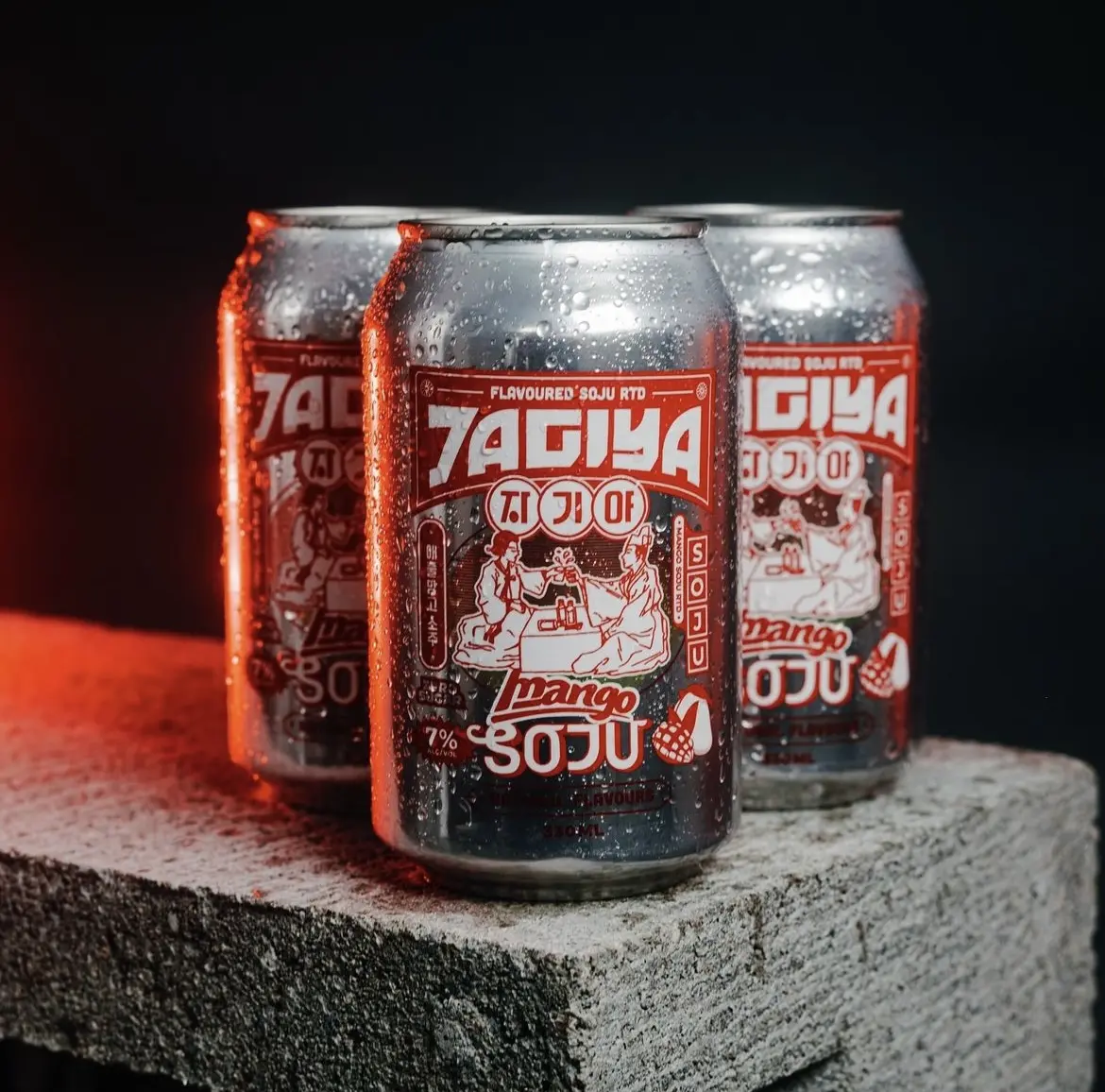
- Case studyJagiya SojuMaking soju the next big thing in NZ nightlife