Should you sell to retailers or distributors first?
Retailers or distributors first is one of the first big choices a new food or drink brand makes when it starts to sell wholesale. For most brands the answer is retailers, and it fits the order set out in our guide to CPG distribution. Here is why, when the answer changes, and how to sell wholesale to your first stores.
Why retailers usually come first
Selling to stores yourself before you sign a distributor does four things for you.
- You keep your margin while volumes are small and every unit counts.
- You learn your price and your pitch. Store owners tell you straight away whether the price, pack size or story works.
- You own the relationships. You know every stockist, and they know you.
- You build proof. A list of stores that reorder is what a distributor asks for first.
When a distributor should come first
There are real exceptions. In most US states, alcohol has to go through a licensed wholesaler before it reaches a store, so a distributor is part of the route from day one. Our guide to beverage distribution explains the three-tier system.
A distributor can also come first when a large foodservice or chain deal requires one, when your product needs a cold chain you cannot run yourself, or when your market is far from where you make the product. Even then, you will still be the one creating demand.
How to sell wholesale to your first stores
If you are starting with retailers, this is how to sell wholesale without wasting the first months.
- Set a wholesale price that survives a distributorLeave room for the store's margin now and a distributor's later. The wholesale price calculator shows both.
- Make a simple price list or line sheetProduct, case size, wholesale price, suggested shelf price and how to order. Keep it for when a store asks.
- Pick one city and one store typeCafés, delis, grocers, health food shops or bottle shops: start where products like yours already sell. Independents before chains.
- Email the owner or buyerWrite about their store and your product, keep it short, and ask for one simple next step, such as a reply.
- Follow upMost replies come on the second or third email. Stop as soon as a store replies.
- Send samples only to stores that askAsk which format they want and the address in the same message, and book a day to check in.
- Turn the first order into a reorderCheck in after the first case, help staff sell it, and find out what moved.
Mistakes brands make selling wholesale first
Selling to retailers first works best when you avoid the traps that slow most brands down.
- Going too wide. Emailing every store type in a whole country spreads your samples and your time too thin. One city and one store type teaches you more.
- Stopping after one email. Store owners are busy. A single email with no follow-up is easy to miss, and replies tend to come later in the sequence.
- Attaching everything. Price lists, decks and images in a first email push it towards the junk folder. Keep the first email plain and short, and send the line sheet once a store replies.
- Sending samples to everyone. Samples cost money. Send them to stores that ask, and follow up on each one.
- Treating the first order as the finish line. A store that never reorders is a trial, not a stockist. The work after the first case is what builds distribution.
- Emailing existing customers by mistake. Keep a list of stores you already sell to and leave them out of cold outreach.
What changes when a distributor comes in
Once you sign a distributor, stores in its area usually order through it rather than from you. Your price per unit falls to make room for the distributor's margin, deliveries and invoicing move to them, and you get sales reports instead of a direct line to every order.
Tell your existing stockists how ordering changes before it happens, and keep visiting and emailing them yourself. Distributors deliver, but the reason a store keeps your product is still the relationship with you.
Ask the distributor for regular sales reports by store, so you can see which stockists are slowing down and visit or call them before they stop ordering. A store that drops your product rarely tells the distributor why, but it will often tell you.
Signs it is time to add a distributor
You are spending more time delivering than selling, stores outside your city want you but freight eats the margin, or stores keep asking who they can order you through. When that happens, our guide on how to find a distributor covers where to look and what to ask. If chains are next, read up on slotting fees first.
Where LaunchPal fits
LaunchPal does the slowest part of selling to retailers first: finding the right stores and reaching the person who decides. We find the independent stores that fit your product, find the owner or buyer, and write each email around that store and your product. Follow-ups stop the moment a store replies. The AI does not reply for you, so the conversation, the samples and the order stay in your hands.
Our guide to cafés is a good place to start if you have not chosen a first store type.
Questions brands ask
How do I sell wholesale for the first time?
Set a wholesale price with room for the store's margin, make a simple price list, pick one city and one store type, and email the owner or buyer at each store. Follow up, send samples to stores that ask, and check in after the first order.
How many stockists should I have before I approach a distributor?
There is no set number. What a distributor wants to see is stores that reorder, in the area or channel it serves. A few loyal stockists can say more than many one-off orders.
Can I keep selling to some stores myself once I have a distributor?
Often, yes, especially in your home city. Agree in writing which stores the distributor covers and which you keep, so nobody is confused about who to order from.
What margin do stores expect?
It depends on the store type and the category, so ask the stores you want. Price so the store's margin works at your suggested shelf price, with room left for a distributor later.
Do I need a line sheet to sell wholesale?
A simple one helps. Stores want to see your products, case sizes, wholesale and shelf prices and how to order in one place. Send it when a store replies, not in the first email.
Read next
- CPG distributionHow to find a distributorThe signs you need one, the signs you do not yet, and how to find and pitch the right one.
- Get into storesCafesWhat café owners weigh up, who to email, and how to offer samples without wasting stock.
- Free toolsWholesale price calculatorYour margin, the store's margin and the shelf price, with or without a distributor.
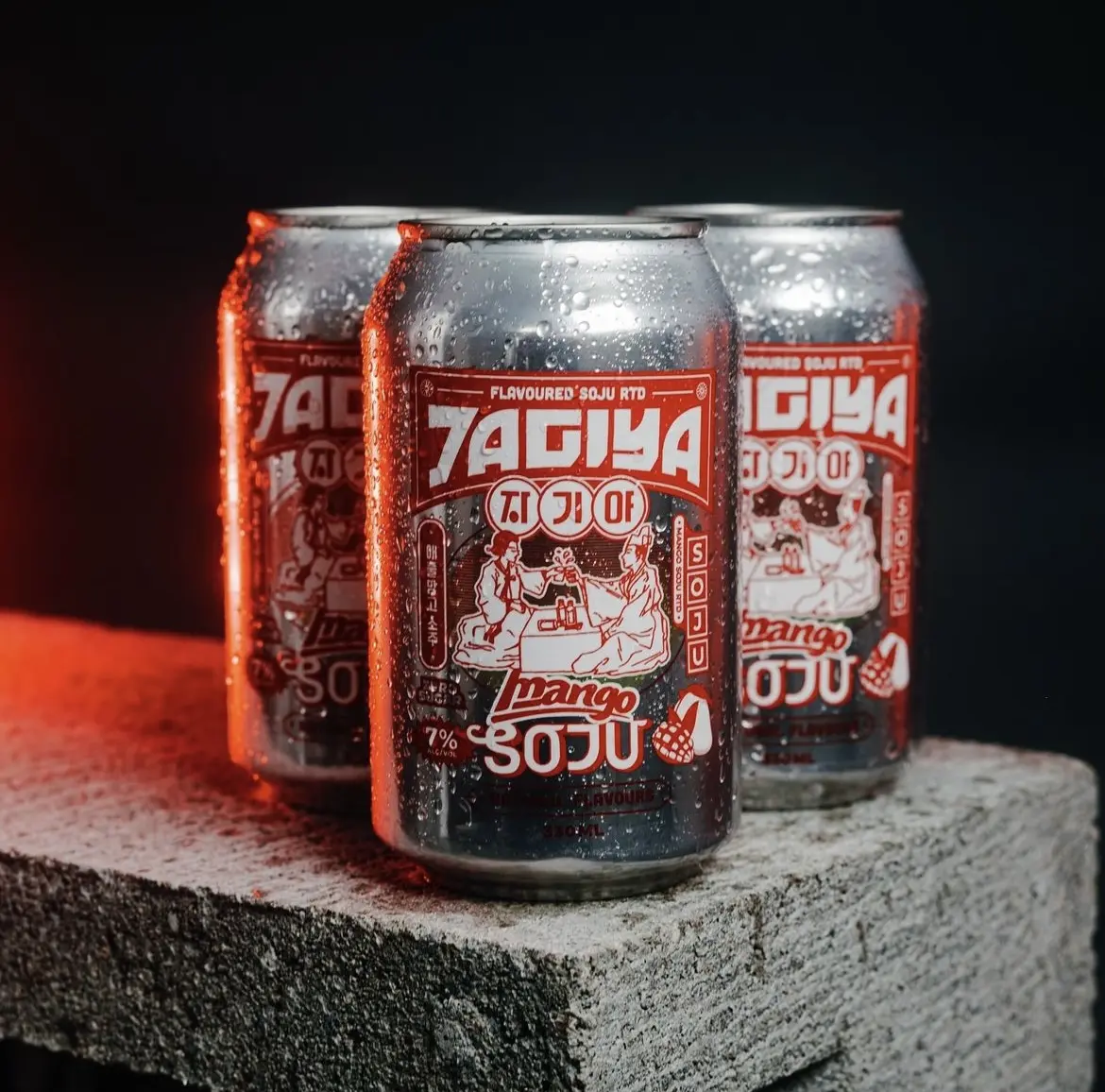
- Case studyJagiya SojuMaking soju the next big thing in NZ nightlife