Beverage distribution: how emerging drink brands get into stores and bars
Beverage distribution splits in two. Non-alcoholic drinks can go almost any route, while alcohol follows licensing rules that change by country and, in the US, by state. Both sit inside the wider choice in our guide to CPG distribution: sell direct, use a distributor, or hire a broker.
Non-alcoholic drinks: the routes
Soft drinks, kombucha, cold brew, functional drinks and juices can be sold direct to any store that will take them. Cafés, gyms, delis, independent grocers and health food shops all buy from brands directly, and the owner usually decides on the spot.
Further along, the usual distributors are specialty and natural food distributors, foodservice distributors for cafés and restaurants, and convenience wholesalers for petrol stations and corner shops. Chilled drinks often need a distributor with refrigerated trucks, and some categories run on direct store delivery, where a driver fills the fridge on a route.
Drinks are heavy. Freight on a few cases can wipe out the margin on a small order, which is why most drink brands sell direct in their home city first and add distribution as orders get bigger.
Alcohol in the US: the three-tier system
In most US states, alcohol has to pass through three separate licensed businesses. The producer or importer is the first tier. A licensed wholesaler, the distributor, is the second. The licensed retailer, bar or restaurant is the third. In general, a producer sells to a wholesaler, and the wholesaler sells to stores and bars.
Each state sets its own rules. Some let small producers distribute their own product within limits. Some states run the wholesale or retail tier themselves. In some states, distribution agreements are protected by franchise laws that can make it hard to change distributor later, so read the terms closely and get advice before you sign. You will also need the right federal and state permits. Your state's alcohol regulator is the place to check what applies to you.
The three-tier system does not stop you creating demand yourself. You can still contact bars and bottle shops, tell them about your product and get them asking for it. They then order through the distributor, and a distributor hearing from stores is far more likely to take you on.
Alcohol outside the US
New Zealand, Australia and the UK have no three-tier system. A licensed producer can usually sell to licensed bottle shops, bars and restaurants directly, subject to licensing and excise rules. Many brands still use a distributor or wholesaler once they want national reach.
Samples need care. Posting alcohol, and giving it away free, can carry its own rules and courier restrictions, so check before you offer to send one. Often the simpler offer is "happy to bring you a sample", and someone drops it in. Offer samples only to stores that ask, ask which format they want, and book a day to check in.
What bars and bottle shops want from a new drink
A bar manager or bottle shop owner is weighing up shelf or fridge space. They want to know:
- The margin they make on each bottle or can.
- How it sells elsewhere, and in stores like theirs.
- What you will do to help it sell: staff training, a serve or cocktail guide, tastings.
- That you will turn up in the first two weeks, when staff decide whether to keep recommending it.
- An easy way to order, whether direct or through their distributor.
Price a drink for every step
A drink priced for selling direct often breaks when a distributor arrives. With alcohol in the US there is always a wholesaler in the middle, and in other markets there may be one later, so each step needs its margin: yours, the distributor's and the venue's. Excise and duty on alcohol sit on top of that, and freight weighs more on drinks than on most food.
Work it out backwards from the shelf or menu price you want. If the venue cannot make its margin at a price customers will pay, no distributor will save it. If it can, check there is still enough left for you after the distributor's cut. Do this before you quote your first venue, because raising a wholesale price later is much harder than setting it right at the start.
Non-alcoholic drinks sold in bars follow the same maths. A bar wants to know what it makes on each serve as well as on each bottle.
Getting a beverage distributor to say yes
Beverage distributors hear pitches every week, and most go nowhere. The brands that get signed bring proof: venues that already pour or stock the drink, reorder history, and a price with room for the distributor's margin. The wholesale price calculator helps you set that price. Our guide on how to find a distributor covers where to look and what to ask.
If you are deciding between a distributor and a sales agent, read food broker vs distributor. Brokers work in drinks too, often with chains.
Where LaunchPal fits
LaunchPal builds the demand a drinks distributor looks for. We find the bars, bottle shops, cafés and grocers that fit your drink, find the owner, bar manager or buyer, and write to each one about their venue and your product. Follow-ups stop the moment a venue replies, and you take it from there. Our page on selling to stores as a beverage brand goes through the outreach itself.
For food products, see our guide to food distribution.
Questions brands ask
What is the three-tier system?
The way most US states regulate alcohol sales. Producers sell to licensed wholesalers, and wholesalers sell to licensed retailers, bars and restaurants. Rules differ from state to state, so check with your state's alcohol regulator.
Can I distribute my own alcohol?
It depends where you are. Some US states let small producers self-distribute within limits, and others do not. In New Zealand, Australia and the UK, licensed producers can usually sell direct to licensed venues. Check the rules before you sell.
Do I need a distributor for a non-alcoholic drink?
Not to start. Cafés, gyms, delis and grocers buy direct from brands. A distributor helps once freight or delivery time becomes the problem.
How do I get a beverage distributor to take me on?
Bring venues that already stock you and reorder, a price with room for their margin, and a plan for supporting the drink once it is in. Distributors take on drinks that stores ask for.
Can I send free samples of alcohol?
Check first. Posting alcohol and giving it away can carry licensing and courier rules that differ by country and state. Dropping a sample in is often simpler, and either way, offer samples only to venues that ask for one.
Should I start with bars or bottle shops?
Pick one to start, in one city. Bars build awareness and get people trying the drink. Bottle shops tell you whether people buy it again. Many drink brands do bars first, then the shops nearby.
Read next
- Retail outreachBeverage brandsWhich venues buy drinks, who to email at each, and how samples turn into orders.
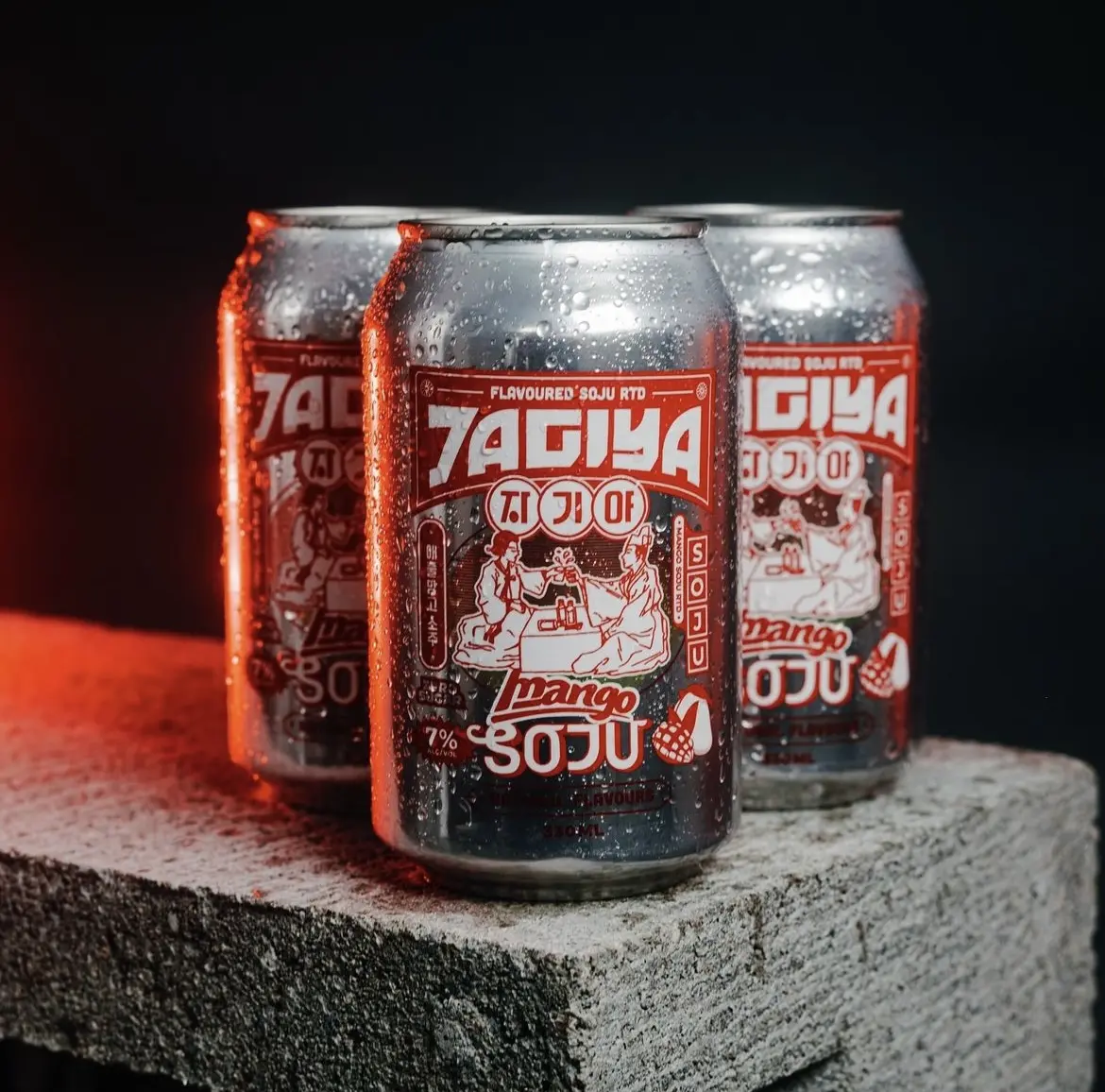
- Case studyJagiya SojuMaking soju the next big thing in NZ nightlife
- CPG distributionHow to find a distributorThe signs you need one, the signs you do not yet, and how to find and pitch the right one.
- By categoryBeverage brandsCafés, bars, gyms and grocers that fit your drink, and the buyer at each.