How to get your drink into liquor stores and bottle shops
Bottle shops are where most beer, wine and spirits are bought to take home, and the independents still choose their own range. This is how to get your drink into liquor stores, with the rules that change by country. It sits under our guide to getting your product into stores.
How liquor retail is shaped
In most countries a few big chains and banner groups sell most of the alcohol, and they buy centrally. Around them sit independent bottle shops, wine merchants and craft beer stores that choose their own range. Some banner stores are owner-run and can take a local line for their own shelves.
Independents are where a new brand starts. They take risks on small producers, they hand-sell, and their staff know their customers by name. Chains come later, with sales history in hand.
The rules come first
Alcohol is regulated everywhere, and the rules shape how you sell. Check them where you sell before you offer anything.
- Samples. In many places you cannot post free alcohol to a store. The offer becomes a tasting in person: “happy to bring a bottle in”, or a drop-off by your rep.
- Distributors. In most American states, alcohol reaches shops through a licensed distributor, known as the three-tier system, and only some states let a small producer sell direct. Elsewhere, many bottle shops still prefer to order through their usual wholesaler.
- Licences. You need the right licence to sell to a retailer, and the store will ask.
Who decides
In an independent bottle shop, the owner or store manager decides. Bigger independents have a buyer for each category: wine, spirits, beer. In a chain store, buying runs through head office, and the staff in the store can rarely add a line.
When we find liquor stores for a brand, we look for a named owner or buyer at each store and skip shared inboxes.
What a liquor buyer needs
A bottle shop buyer is looking at shelf space, margin and how fast a line turns over. Have these answers ready.
Price matters more on a bottle shop shelf than in a bar, because the customer can see the bottle next to yours. Know where your drink sits against the others in its style, and be ready to say why it is worth the difference if it costs more. A craft spirit at a premium price needs a reason a shop assistant can repeat in one sentence.
- Retail price and the store's margin, worked out per bottle and per case.
- How they order you. Direct, or through which wholesaler? If a wholesaler they already use stocks you, say so in the first email.
- Why a customer will pick it up. Local, a style the store is missing, an award, a good review.
- Support. Tastings in store, shelf talkers, staff samples where the rules allow.
- Proof. Bars and venues already pouring it. A drink people have tried at a bar sells off the shelf.
The first email
Short and specific. Say what the drink is, why it fits that store's range, and how they would order it. Ask for a reply to set up a tasting. Leave out attachments, tasting notes as PDFs and price lists until they answer.
Send from a separate domain, so your main one stays clean for orders and invoices. We buy that domain for you, and it redirects to your website. Follow up two or three times. The sequence stops the moment they reply.
Samples and tastings, done properly
Where the rules let you, a tasting in the store is the best pitch there is. Bring the product, pour for the buyer and the staff, and leave them a short note on how to describe it. Book it for a quiet weekday afternoon, never a Friday evening.
If you cannot be there, say so in the email rather than promising a visit you will not make. A rep, a wholesaler's sales team or a tasting at a nearby bar the buyer can visit are all honest alternatives.
Bars first, then the shelf
Many drinks brands win the shelf through the bar. A drinker who tried your gin in a cocktail goes looking for the bottle. If you can, start with bars and restaurants in one city, then pitch the bottle shops around them with the venues already pouring you.
Once you are on the shelf, run tastings on Friday and Saturday afternoons, ask the staff to put you in their picks, and check in after two weeks. A bottle shop that reorders is one you can name to a distributor. Our guide to beverage sales covers the path from the first stores to wider distribution, and the United States guide covers what changes there.
Questions brands ask
Can I sell my wine or spirits directly to liquor stores?
It depends on where you are. In many countries a licensed producer can sell direct to independent stores. In most US states, alcohol must go through a licensed distributor. Check the rules before you pitch.
Can I post free samples to a bottle shop?
Often not. Many places restrict free alcohol samples. Offer to bring a bottle in for a tasting, or have your rep drop one off.
Can LaunchPal contact liquor stores in Australia?
No. For regulatory reasons, liquor stores are not offered as a store type for Australian campaigns. Drinks brands in Australia use campaigns for bars, restaurants, hotels and cafés instead.
Do chain bottle shops ever take local products?
Some owner-run banner stores can take a local line for their own shelves. Company-owned chain stores buy through head office, which wants sales history first.
Can we send from our existing domain?
We do not recommend it. We buy a separate domain that looks like yours and redirects to your website, so your main domain is never at risk.
Read next
- Get into storesBarsHow bar managers choose what to pour, the rules for alcohol samples, and how to get staff behind it.
- Get into storesAustraliaIndependents first, then IGA owners, then Coles and Woolworths, one city at a time.
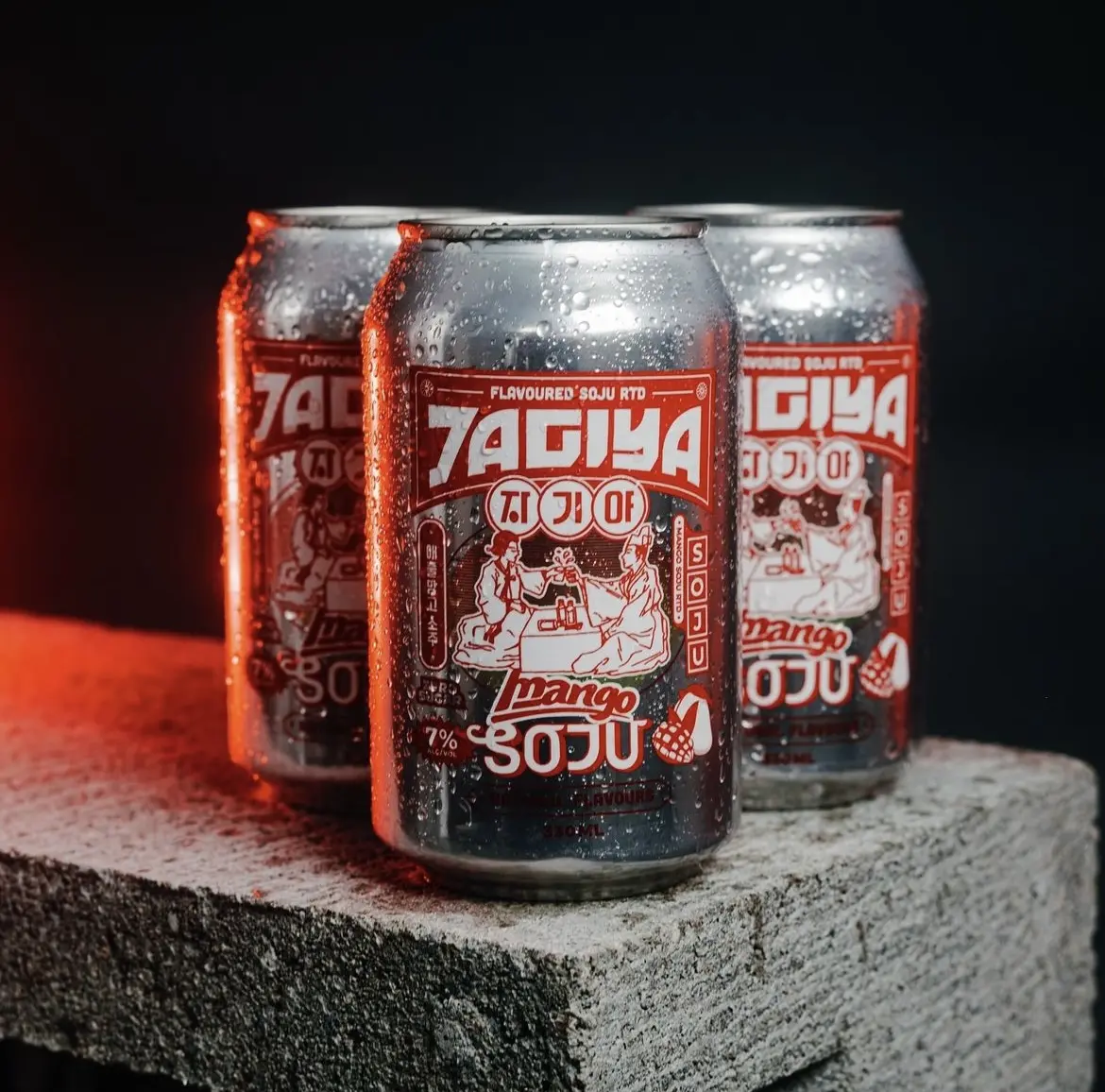
- Case studyJagiya SojuMaking soju the next big thing in NZ nightlife
- By categoryBeverage brandsCafés, bars, gyms and grocers that fit your drink, and the buyer at each.
See which venues would stock your drink
Type your website. You will see real stores and venues near you and an opening email for the best fit.
Free, no sign-up, about 15 seconds.