How to get your product into stores in Australia
Australia is a big country with two supermarket groups at the top and thousands of small stockists underneath. This is how to get your product into stores in Australia, starting with the independents and working up to IGA, Coles and Woolworths.
How Australian grocery is shaped
Coles and Woolworths buy centrally and carry most of the country's supermarket sales. Aldi runs a tight range that is mostly its own label. IGA stores are different: each one is independently owned, and the owner usually has a say over local lines. Below all of them sit the stores most small brands actually start in: cafés, independent grocers, delis and providores, health food stores, organic shops, gyms and venues.
This guide sits under our wider guide to getting your product into stores, which covers the method. Here is what changes in Australia.
Pick one city, not the whole country
Distances are the first thing that catches brands out. A case that costs little to deliver across Melbourne can cost a lot more to get to Perth or Darwin, and that comes straight off your margin on a small first order. Start in the city you make the product in, or the one you can reach by van.
Then pick one store type inside it. Health food stores in Brisbane, cafés in inner Melbourne or delis in Sydney's eastern suburbs are each a sensible first campaign. Owners in one area talk to each other, and a cluster of nearby stockists is easier to deliver to, visit and talk about than thirty stores spread over three states.
Which stores to start with
These are the usual first stockists for an Australian food or drink brand.
- Cafés. The fastest yes for drinks, snacks and baked goods. See how to get your product into cafes.
- Independent grocers and providores. Owners who pick their own range and like something local.
- Health food and organic stores. Strong for functional, free-from and wellness products. Expect questions about ingredients and certification.
- Gyms and studios. A real channel for protein, hydration and functional drinks, with a fridge by the front desk and members who come back several times a week.
- Bars and restaurants. For drinks brands, especially premium mixers, RTDs and non-alcoholic lines.
- IGA owners. The bridge between independents and supermarkets. More on them below.
IGA and other independent supermarkets
Because IGA stores are owned by the people who run them, a store can often take a local product for its own shelves. Treat the owner like any independent buyer: a short, specific email, a sample if they ask for one, and proof that the product sells in stores like theirs. If the store is near you, go in, ask for the owner or the grocery manager by name, and follow up in writing.
Getting ranged across many IGA stores at once is a different job. It goes through the wholesaler that supplies the network, and it moves at the pace of a chain. Win a few stores in your own area first, then take those sales figures to the wider conversation.
Coles and Woolworths
Both buy centrally and both run formal supplier processes. There is no owner at the store to email, and the timeline is long: months from the first conversation to a range review, then a trial period in a set of stores. Buyers will ask for sales data, your production capacity, your pricing and how you plan to support the product on shelf.
The brands that get there arrive with a track record. Sales and reorders from independents, a list of stockists you can name and a sense of how fast the product moves are what make a category manager take the meeting. Our guide to supermarkets explains that order in full.
Drinks brands and alcohol
Alcohol in Australia comes with licensing rules, and they differ by state. Check what you can offer as a sample and how you can deliver before you write to anyone. Many brands offer a tasting in person, or have a rep drop off a bottle, rather than posting one.
Our store search leaves out Australian liquor stores, so drinks brands using LaunchPal in Australia start with bars, restaurants, cafés, hotels and venues. Brands that reach bottle shops usually do it through a liquor distributor once venues are pouring the product. For more on selling drinks, see our guide to beverage sales.
Reaching Australian store owners by email
Australian owners are direct, and they answer emails that are direct back. Say who you are, what you make, why it suits their store and what the easy next step is. Leave the price list for the reply. Name something real about the store, so it is obvious you are not writing to every café in the country.
Send from a separate domain set up for outreach so your main address is never at risk. We buy and set up that domain for you, sending starts slowly and builds up over several weeks, and the follow-ups stop as soon as a store replies. Our clients average a 10-15% reply rate. The reply comes to you, and you take it from there.
When to add a distributor
Most independents will buy direct from a small brand and pay on invoice. A distributor starts to make sense when delivery becomes the problem: too many stores in too many places for you to supply yourself. Food service distributors such as Bidfood and PFD Food Services, and liquor distributors such as ALM and Paramount Liquor, are names Australian brands often mention. Check they fit your category and area first. Our guide to finding a distributor covers what they will ask you.
To see which Australian stores would fit your product before you write to anyone, type your website into the box below.
Questions brands ask
Do I need a distributor to sell to stores in Australia?
Not to start. Independent cafés, grocers and health food stores usually buy direct from small brands. A distributor helps once you have more stores than you can deliver to yourself.
Can an IGA store stock my product without a central listing?
Often, yes. IGA stores are independently owned, so an owner can take a local line for their own store. A listing across many stores goes through the wholesaler that supplies them and takes longer.
How long does it take to get into Coles or Woolworths?
Expect months, not weeks, followed by a trial in a set of stores. Brands that arrive with sales from independents and a list of stockists get further than brands with only a good product.
Can LaunchPal email bottle shops in Australia?
No. Our store search leaves out Australian liquor stores. Drinks brands start with bars, restaurants, cafés and venues, and often reach bottle shops later through a liquor distributor.
Which city should I start in?
The one you can deliver to and visit, usually your home city. Pick one store type there and widen it once stores start to reorder.
Does the AI reply to stores for me?
No. LaunchPal finds the stores, writes and sends the emails, and stops the follow-ups when someone replies. The reply comes to your inbox and you take it from there.
Read next
- Get into storesSupermarketsWhy a supermarket listing starts with independents, and roughly how many you need first.
- Get into storesNew ZealandIndependents, Foodstuffs owner-operators and Woolworths NZ, and the order to approach them in.
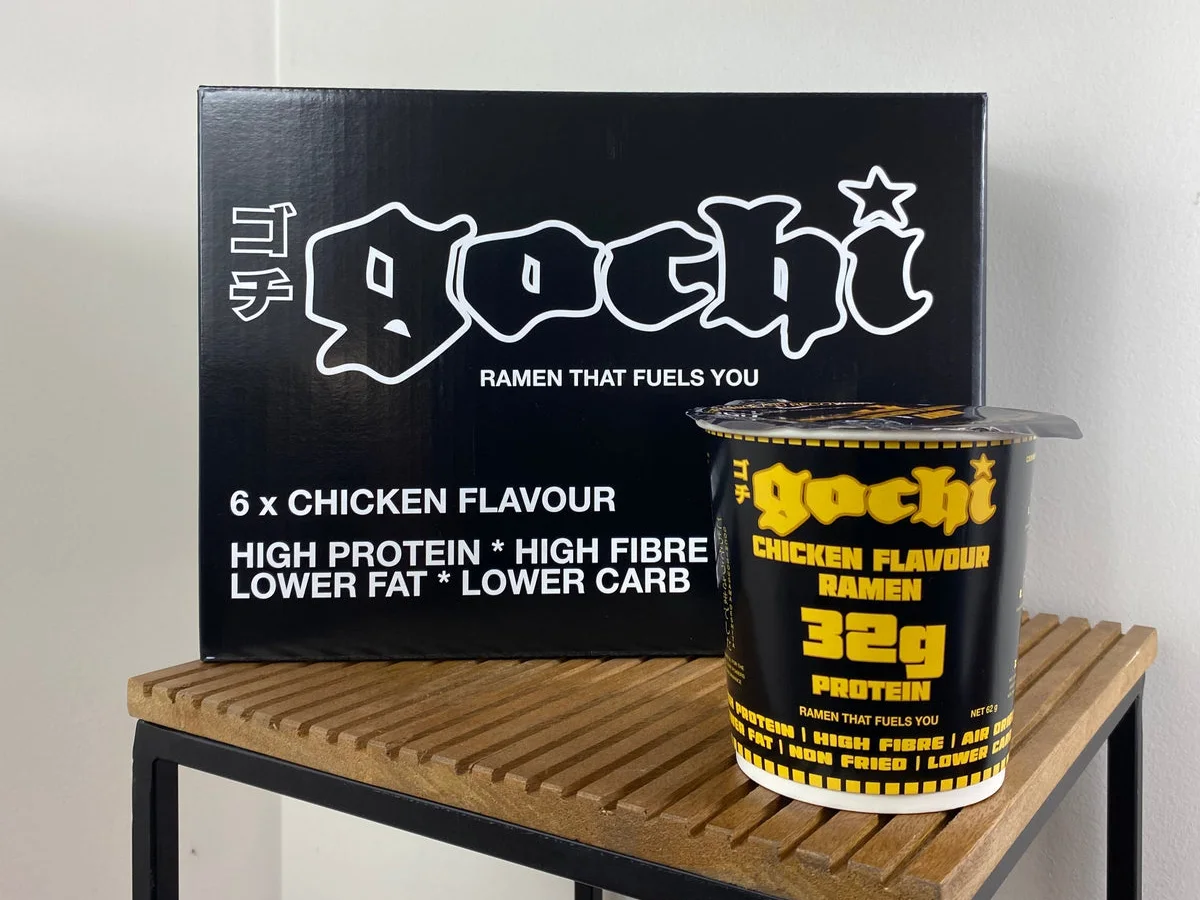
- Case studyGochiPutting post-workout ramen into Melbourne gyms
- CPG distributionHow to find a distributorThe signs you need one, the signs you do not yet, and how to find and pitch the right one.
See which Australian stores would stock you
Type your website. You will see real stores near you and an opening email for the best fit.
Free, no sign-up, about 15 seconds.