How to get your drink into bars
Bars are where people try a new drink for the first time. One good bar manager can put your spirit, RTD or mixer in front of hundreds of people a week. Here is how to get your drink into bars, using the same approach as our guide to getting your product into stores.
What a bar manager is weighing up
A bar manager chooses what goes on the back bar, the cocktail list and the fridge. They think about margin per pour, speed behind the bar, and whether a drink gives the bar something to talk about.
- Does it fit the list? A craft gin bar wants a gin with a story. A busy sports bar wants something quick to pour.
- Margin per serve. Know the cost per pour or per can, and what a bar like theirs charges for it.
- Will the staff sell it? Bartenders recommend what they have tasted and can describe in a sentence.
- How is it ordered? Through their usual distributor, or direct from you? In many places alcohol has to go through a licensed wholesaler.
- Will it move? A bottle gathering dust on the back bar never gets reordered.
Who decides
In most bars the bar manager decides. In a group, a beverage manager may set the list for every site, and in small places the owner signs off. The bookings inbox and the events team are not the right people.
When we find bars for a brand, we look for the bar or food and beverage manager first, then the general manager, then the owner. Shared inboxes are skipped.
Alcohol has its own rules
If your drink contains alcohol, check the rules where you sell before you offer anything. In many places you cannot post free alcohol to a venue. In most American states, alcohol reaches bars through a licensed distributor, a setup known as the three-tier system. The usual answer is a tasting in person: “happy to bring a bottle in for the team”, or a drop-off by your rep.
Non-alcoholic spirits, mixers and soft drinks are simpler. You can send samples, and most bars can buy them direct.
The first email
Short, specific, about their list. Mention a cocktail they already serve or the style of the bar. Say what your drink is and how it is served, then ask for one thing: a reply to set up a tasting.
No attachments, no menu PDFs and no links beyond your website. Send from a separate domain, so your main one stays clean for orders and invoices: we buy that domain for you. Then follow up. Bar managers are busy, and replies usually come on the second or third email. The sequence stops the moment one arrives.
Start with one street of bars
Bars cluster. A dozen venues across two streets share staff, talk to each other and copy each other's lists. Start with one area and one kind of bar, such as cocktail bars in one city, craft beer bars or wine bars, and build out from there.
Bartenders also move between venues. One who loved your drink at their last bar will often bring it to the next. Look after the people who pour you, not only the venues.
Hotels have bars of their own, and restaurants with a drinks list buy much the same way. For sales off the shelf, read the liquor stores and bottle shops guide.
Give your drink a job
Bars that reorder are the ones where your drink has a job: a signature cocktail, a fridge slot that sells, a shot on a busy night, the alcohol-free option for drivers. Agree that job before the first delivery, so the bar knows where you fit.
Then check in at two weeks. Ask what sold, how the staff describe it and whether a tasting night would help. A bar that has reordered twice is one you can name to the next bar manager.
What to have ready when they reply
A bar manager who replies wants to move quickly, often that week. Have these ready so the conversation does not stall while you look for them.
- A price per bottle or case, and the wholesaler they can order through if it is alcohol.
- Two or three serves they can put on the list straight away, with the spec for each.
- A date for the tasting, or a staff pack if you cannot be there.
- Point-of-sale they will actually use, such as a menu line or a small table card, not a box of posters.
When to bring in a distributor
For alcohol, a distributor is often required, and for everything else it becomes useful once you have more bars than you can deliver to. Either way, a distributor wants to see venues that reorder before they take you on. The list of bars you have won is your pitch to them. Our guide to beverage sales covers how drinks brands get from the first bar to wider distribution.
Questions brands ask
Can I post free samples of my spirit to a bar?
In many places, no. Alcohol rules often stop you posting free product to a licensed venue. Offer a tasting in person instead, or have your rep drop a bottle off. Non-alcoholic drinks are usually fine to send.
Do bars buy direct from small drinks brands?
For non-alcoholic drinks, often yes. For alcohol it depends on the country and, in the US, the state. Many bars order through their usual wholesaler, so tell them which one stocks you.
Should I contact the owner or the bar manager?
The bar manager, in most bars. In a group it may be a beverage manager who sets the list for every site. In small places the owner decides.
How do I stop bartenders forgetting about my drink?
Give them a reason to pour it: a staff tasting, a one-line pitch and a signature serve. Check in after two weeks and offer a tasting night if it is slow.
Can we send from our existing domain?
We do not recommend it. We buy a separate domain that looks like yours and redirects to your website, so your main domain, and the orders and invoices on it, are never at risk.
Read next
- Get into storesLiquor storesHow bottle shops buy, the rules for alcohol by country, and how to pitch a tasting to the buyer.
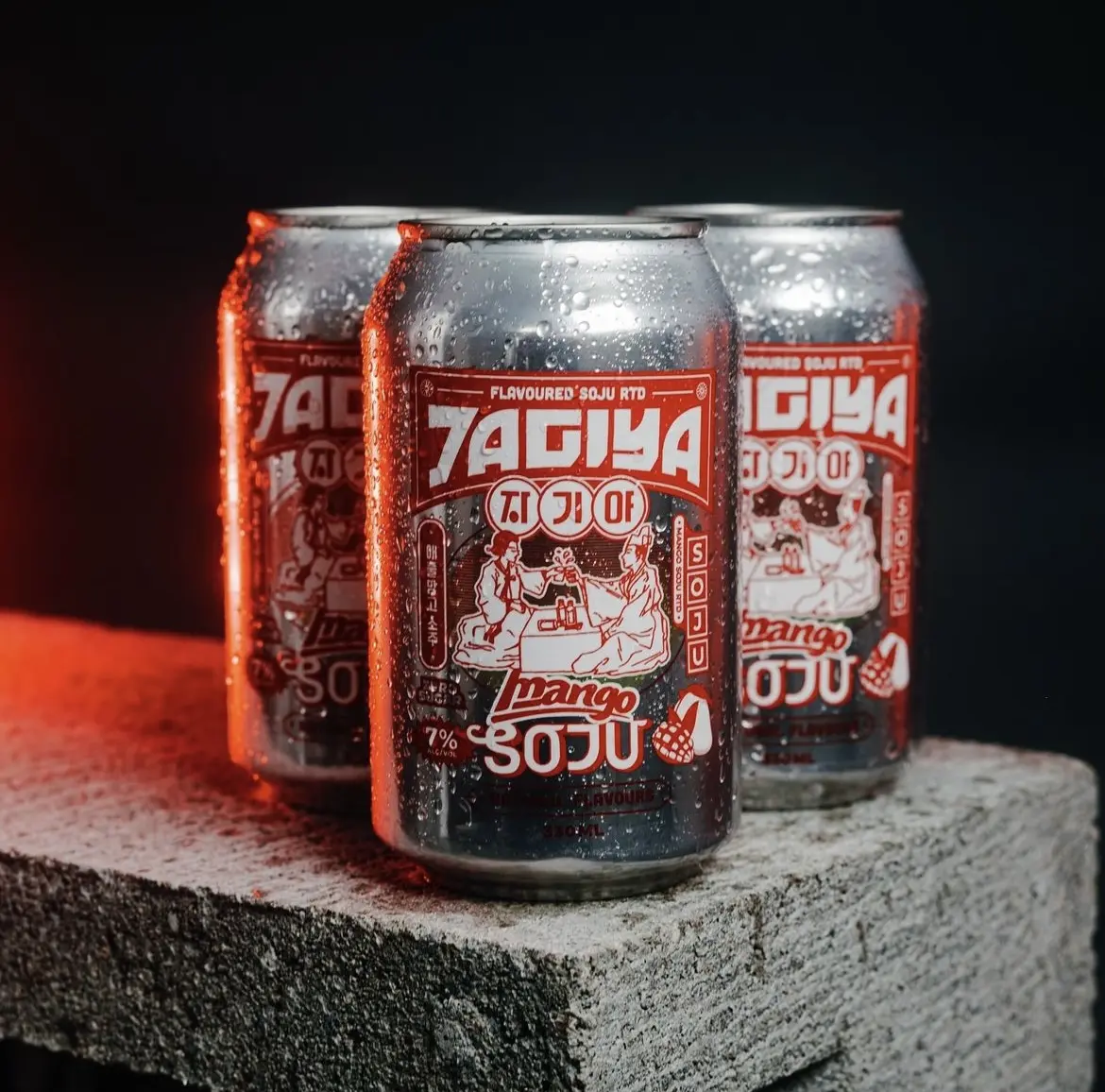
- Case studyJagiya SojuMaking soju the next big thing in NZ nightlife
- Retail outreachBeverage brandsWhich venues buy drinks, who to email at each, and how samples turn into orders.
- By categoryBeverage brandsCafés, bars, gyms and grocers that fit your drink, and the buyer at each.
See which bars would pour you
Type your website. You will see real bars near you and an opening email for the best fit.
Free, no sign-up, about 15 seconds.