How to get your product into hotels
A hotel is several buyers under one roof: a restaurant, a bar, breakfast, room service, a minibar, and sometimes a shop or a spa. That makes hotels slower to win and worth more once you do. This is how to get your product into hotels, part of our guide to getting your product into stores.
Where a product fits in a hotel
Before you write, decide which outlet you are pitching. “Your hotel” is too vague, and the answer changes who you write to.
- The bar and restaurant. Spirits, wine, RTDs, mixers and specialty ingredients. Bought like any restaurant or bar.
- The minibar and in-room. Snacks, soft drinks, chocolate and small-format spirits. Single serves with a long shelf life.
- Breakfast. Spreads, granola, juice, honey and yoghurt. Local products help the menu tell a story.
- The lobby café or shop. Grab-and-go food and drink, and gifts guests take home.
- Events and conferences. Volume orders for one-off functions, often booked months ahead.
Who decides
In an independent or boutique hotel, the food and beverage manager usually decides, with the general manager or owner signing off. Lodges and small hotels often have one person doing all of it. In a chain hotel, buying runs through procurement and approved supplier lists set at head office, so the hotel's own staff can do very little for you.
That is why independent hotels, boutique hotels and lodges come first. When we find hotels for a brand, we look for the food and beverage manager, then the general manager, then the owner, and skip the reservations inbox.
What a hotel needs before it says yes
Hotels run on reliability. A guest who orders your drink in July expects it to be there in January. Answer these before they ask.
- Steady supply all year, including peak season, when they cannot afford a gap.
- The right format. Single-serve and small packs for rooms and minibars, bigger formats for the kitchen and bar.
- Shelf life. Minibar stock can sit for weeks. Say how long yours lasts.
- A unit price and a margin, so they can set a minibar or menu price. The wholesale price calculator helps.
- A local story. Guests want to taste where they are. A hotel that can say “made down the road” sells more of it.
The first email
Name the outlet and say why your product fits it. Keep it short, ask for one thing, and leave out attachments until they reply. A brochure in a first email is more likely to land in junk than to be read.
Send from a separate domain so your main one is never at risk. We buy that domain for you and set it to redirect to your website. Then follow up two or three times. Hotel managers get a lot of supplier email, and the reply usually comes on the second or third.
Timing and seasons
Many hotels set supplier budgets and menus once or twice a year, and nobody changes the minibar in the middle of peak season. Pitch in the quiet months before it. Ask when they next review the menu or the minibar, and put that date in your calendar.
Samples follow the usual rule: send them only to hotels that ask, ask the format and the address together, and agree a day to check in. For alcohol, offer a tasting rather than posting bottles, because the rules on free alcohol samples are strict in many places.
Start small and local
Start with independent and boutique hotels and lodges in one region, ideally where your product is made. They decide locally, they want local stories and they can say yes in weeks. Run a separate campaign for each outlet if you are pitching both the bar and the minibar, because each needs a different email. If your product also suits cafés, pitch them alongside, since they make quicker first stockists.
The paperwork hotels ask for
Hotels answer to owners, auditors and food safety inspectors, so expect more paperwork than a café asks for. Have your food safety registration, product specifications and allergen information ready, and be able to show public liability insurance if asked. Bigger properties may want you set up as a supplier in their accounts system before the first order. None of it is hard, but a brand that sends it the same day looks like a supplier they can rely on.
One hotel, several pitches
Once one outlet in a hotel takes you, the others are easier. A spirit on the bar list can go into the minibar. A granola at breakfast can go into the lobby shop. Ask the food and beverage manager which other outlets might suit, and offer to send a sample for each.
Hotel groups that own several independent properties work the same way. A yes from one manager, and a few months of reorders, is the best introduction to the next property in the group.
After the yes
Hotels pay on account and expect invoices to arrive on time and match the order. Keep the paperwork tidy and the supply steady, and check in after the first month to ask what guests are taking. Flow keeps track of who ordered, who is due a check-in and which invoices are late, so a hotel that said yes in spring is still ordering in summer.
Questions brands ask
Do hotels buy from small brands?
Independent hotels, boutique hotels and lodges do, and many want local products. Chain hotels mostly buy from approved supplier lists set at head office, so start with the independents.
Who should I email at a hotel?
The food and beverage manager, then the general manager, then the owner. Not the reservations inbox. In a small lodge one person often does all of it.
How long does it take to get into a hotel?
An independent hotel can say yes in a few weeks if you pitch before a menu or minibar review. A chain's approved supplier list can take a year.
Can I attach a brochure to the first email?
Leave it out. Attachments make a first email more likely to land in junk. Send the brochure or price list when they reply.
Does the AI reply to hotels for me?
No. The follow-ups stop when a hotel replies, and the reply comes to your inbox. You answer it and agree the samples and the order.
Read next
- Get into storesRestaurantsWhat chefs and owners need before they put your product on the menu, and how to pitch them.
- Get into storesBarsHow bar managers choose what to pour, the rules for alcohol samples, and how to get staff behind it.
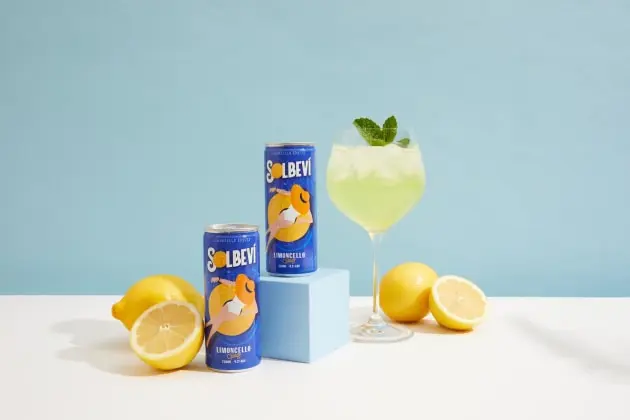
- Case studySolbeviTaking a limoncello spritz into New Zealand hospitality
- FeaturesFinding storesThe cafés, grocers, bars and delis that fit your product, and the person who decides at each.
See which hotels would stock you
Type your website. You will see real hotels and venues near you and an opening email for the best fit.
Free, no sign-up, about 15 seconds.