How to get your product into stores in New Zealand
New Zealand is a small market with short distances and store owners who answer their own email. Here is how to get your product into stores in New Zealand, from the first café to a Foodstuffs owner-operator.
How the New Zealand market is shaped
Grocery here is dominated by two groups. Foodstuffs runs New World, PAK'nSAVE and Four Square as co-operatives of owner-operators, split into a North Island and a South Island business. Woolworths NZ, which used to trade as Countdown, buys centrally. Around them sit thousands of independents: cafés, dairies, delis, specialty grocers, health food shops, bottle stores and farm shops.
That shape matters. A chain buyer wants proof that a product sells, and independents are where you get it. This guide sits under our wider guide to getting your product into stores, which covers the method. Here is what is specific to New Zealand.
Start in one city
Most brands start where they live, and that is right. Auckland has the most stores and the most competition for fridge space. Wellington and Christchurch have tight food scenes where a few good stockists get noticed quickly. Pick one city and one store type, such as cafés in central Auckland or delis in Wellington, and work it properly before you spread out.
Freight is the hidden cost. Sending cases from one island to the other adds up fast, and it eats into a small first order. Price your first orders with delivery in mind, or start in the island you make the product in.
Which stores to start with
Each store type buys a little differently. These are the usual first stockists for a New Zealand brand.
- Cafés. The quickest yes for drinks, snacks and baking. See how to get your product into cafes.
- Specialty grocers and delis. Owners who choose their own range and like a local story.
- Health food shops. Good for functional drinks and free-from products, with buyers who read labels closely.
- Bottle stores. For beer, wine, spirits and RTDs. Independents choose their own range, and each store often buys for itself.
- Dairies and convenience. Big volume per line once you are in, but many buy through wholesalers, so they usually come later.
- Farm shops and markets. Good for local food brands, and a way to meet customers face to face while your stockist list grows.
Foodstuffs owner-operators
Because each New World, PAK'nSAVE and Four Square is run by its owner, a store can sometimes take a local product for its own shelves before any wider listing. That makes a single owner-operator a realistic early target, especially in your own region. Treat it like any independent: a short, specific email, a sample if they ask, and proof that the product sells in stores like theirs. If you can, visit the store, ask for the owner or the grocery manager by name, and follow up by email with what you talked about.
A wider listing across the group goes through Foodstuffs' own supplier process and takes much longer. Arrive with sales from independents and local stores, not only a good product. Our guide to supermarkets covers that order in more detail.
Woolworths NZ and the long game
Woolworths NZ buys centrally, so there is no owner at the store to email. Expect months between first contact and a store trial, and expect to be asked for sales data. The brands that get there usually arrive with a track record from independents and Foodstuffs stores. The figure brands hear most often is around a hundred independent stockists before a category manager will take a meeting.
Reaching New Zealand store owners by email
New Zealand owners tend to answer a straight, friendly email from a local brand. Say where you are based, what you make and why it fits their store. Use the local words: stockists, dairies, bottle stores. Offer a sample to the ones who reply and ask for one, and have your price list, margin and minimum order ready for that reply. Our list of what a buyer needs before they say yes covers the rest.
Send from a separate domain set up for outreach, so your main address stays clean for customers and suppliers. We buy and set up that domain for you, and the follow-ups stop the moment a store replies. LaunchPal campaigns have run across New Zealand, and our clients average a 10-15% reply rate.
If you sell alcohol, check the rules on samples and delivery before you offer them. In practice many brands offer to drop a sample in person, or have a rep do it, rather than posting one.
Timing your approach
Summer is the busiest time for cafés, bars and bottle stores, and many owners are hard to reach between Christmas and the end of January. A drinks brand that writes in late winter or spring gives a store time to try the product and order before the rush. Seasonal and gift products need longer still, because stores choose those ranges months ahead.
Regional towns are worth a look once your home city is going. There are fewer stores, but the owners get fewer pitches, and one good stockist in a small town is often the only place locals can buy something like yours.
Build a stockist list as you go
Every store that takes you is proof for the next one. Keep a stockist list on your website, mention nearby stockists when you email a store, and note which stores reorder. When a distributor or a Foodstuffs owner asks how you are doing, that list is your answer.
To see which New Zealand stores would fit your product before you write to anyone, type your website into the box below.
Questions brands ask
Do I need a distributor to sell to stores in New Zealand?
Not to start. Most independents will buy direct from a small brand by email and pay on invoice. A distributor helps once you have enough stores that delivery becomes the problem. See how to find a distributor.
Can I get into New World or PAK'nSAVE without a broker?
An owner-operator can sometimes take a local line for their own store, so a direct, local approach is worth it. A listing across the group is a longer process, and sales from independents help it along.
Which city should I start in?
The one you can deliver to and visit. For most brands that is their home city. Start with one store type there and widen it once stores reorder.
What do New Zealand stores call the shops that sell my product?
Stockists. Put a stockist list on your website as you grow. It helps customers find you and shows the next store who already sells you.
Can we send from our normal email address?
We advise against it for cold outreach. We set up a separate domain that looks like yours and redirects to your site, so your main address keeps a clean record.
What reply rate should I expect?
Our clients average a 10-15% reply rate. It depends on the offer, how well the stores fit your product and the follow-ups, so judge it on a full campaign in one city rather than the first few days.
Read next
- Get into storesCafesWhat café owners weigh up, who to email, and how to offer samples without wasting stock.
- Get into storesSupermarketsWhy a supermarket listing starts with independents, and roughly how many you need first.
- FeaturesYour sending domainWe buy a domain that looks like yours and send from it, so your own domain never takes the risk.
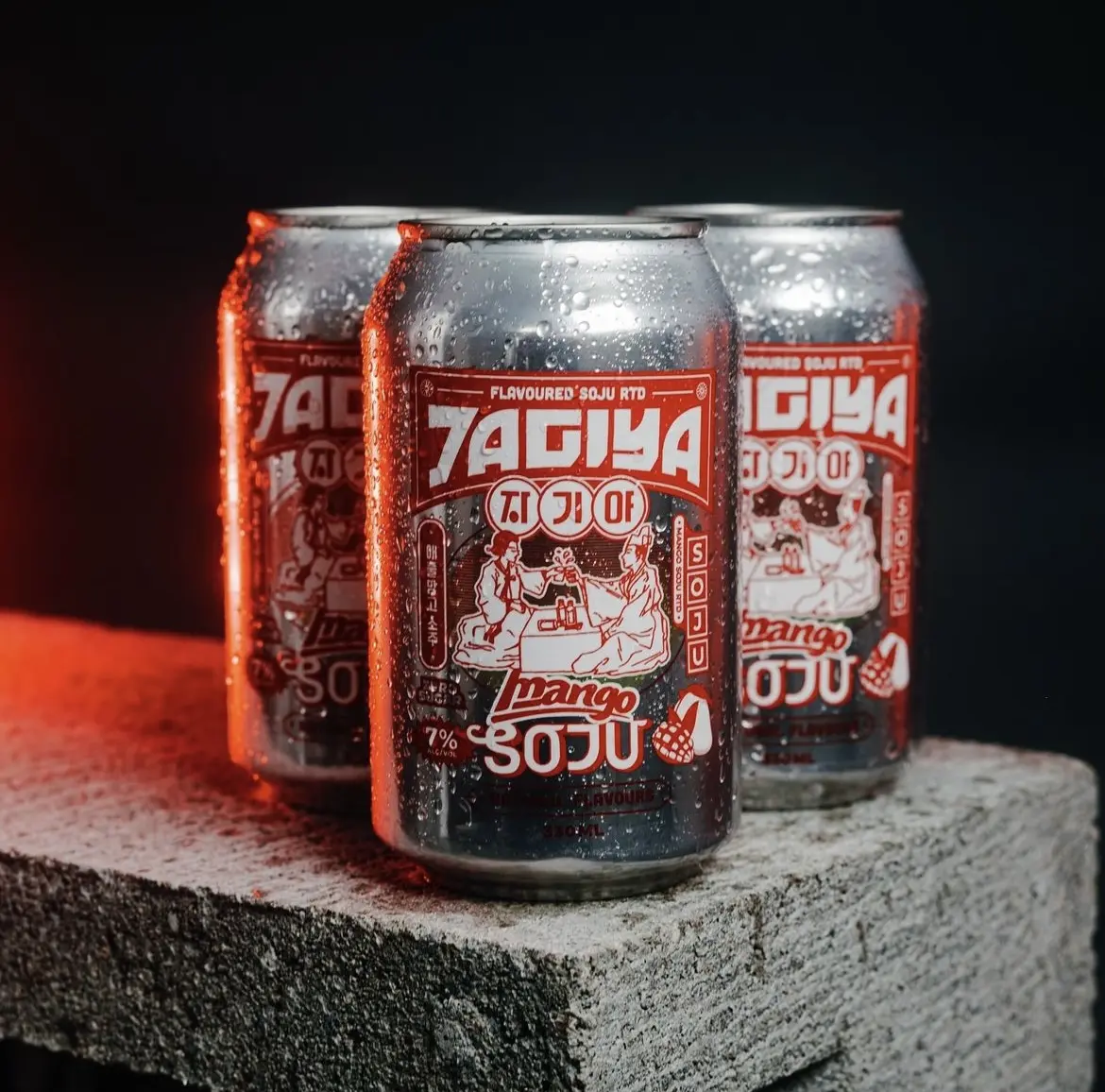
- Case studyJagiya SojuMaking soju the next big thing in NZ nightlife
See which New Zealand stores would stock you
Type your website. You will see real stores near you and an opening email for the best fit.
Free, no sign-up, about 15 seconds.