How to sell snacks to the stores that sell them on impulse
How to sell snacks to stores starts with where people buy them: next to the till, beside the fridge, at the bar. Those spots belong to independent owners who can say yes in a week. This page covers where snack brands start and how we reach those owners. Other categories are on our by-category page.
Where snacks get stocked first
- Cafés for a counter jar or a basket by the register.
- Delis and independent grocers for shelf space and a story the owner can tell.
- Health food shops for better-for-you and free-from snacks.
- Gyms and studios for protein bars and post-workout food.
- Bars and bottle shops for bar snacks that go with what they pour.
- Convenience stores and dairies for grab-and-go, once you can supply them steadily.
Who to email
In a café, deli or independent grocer, the owner usually decides what goes on the counter. In a gym it is often the manager, and in a bar the bar manager. We look for that person at each store, skip shared accounts inboxes, and check every address before anything is sent. A note to the person who decides, about their own store, gets read; a note to a shared inbox mostly does not.
Test demand before a big run
Snack production minimums can be large. If you are not sure which stores want your product yet, an awareness campaign introduces the brand to owners and shows you who leans in before you commit. A go-to-market campaign then offers samples or a trial to stores ready to stock. Validating demand first stops a pallet of stock sitting in your garage.
What snack buyers ask
Owners want the margin, the case size, the shelf life and whether you supply a display box. Counter space is small and fought over, so a small pack with a short case quantity is an easier yes than a big pallet deal. Set a wholesale price that leaves the store its margin with the wholesale price calculator.
Keep all that out of the first email. It says why your snack suits that store and asks one easy thing, such as replying for a sample box.
How the outreach works
We find the stores in your chosen area that fit your snack and the owner or buyer at each, and write every email around that store. Emails go out from a separate sending domain we set up for you, never your own, and a short run of follow-ups stops the moment a store replies. You answer the reply yourself, and send samples only to stores that ask.
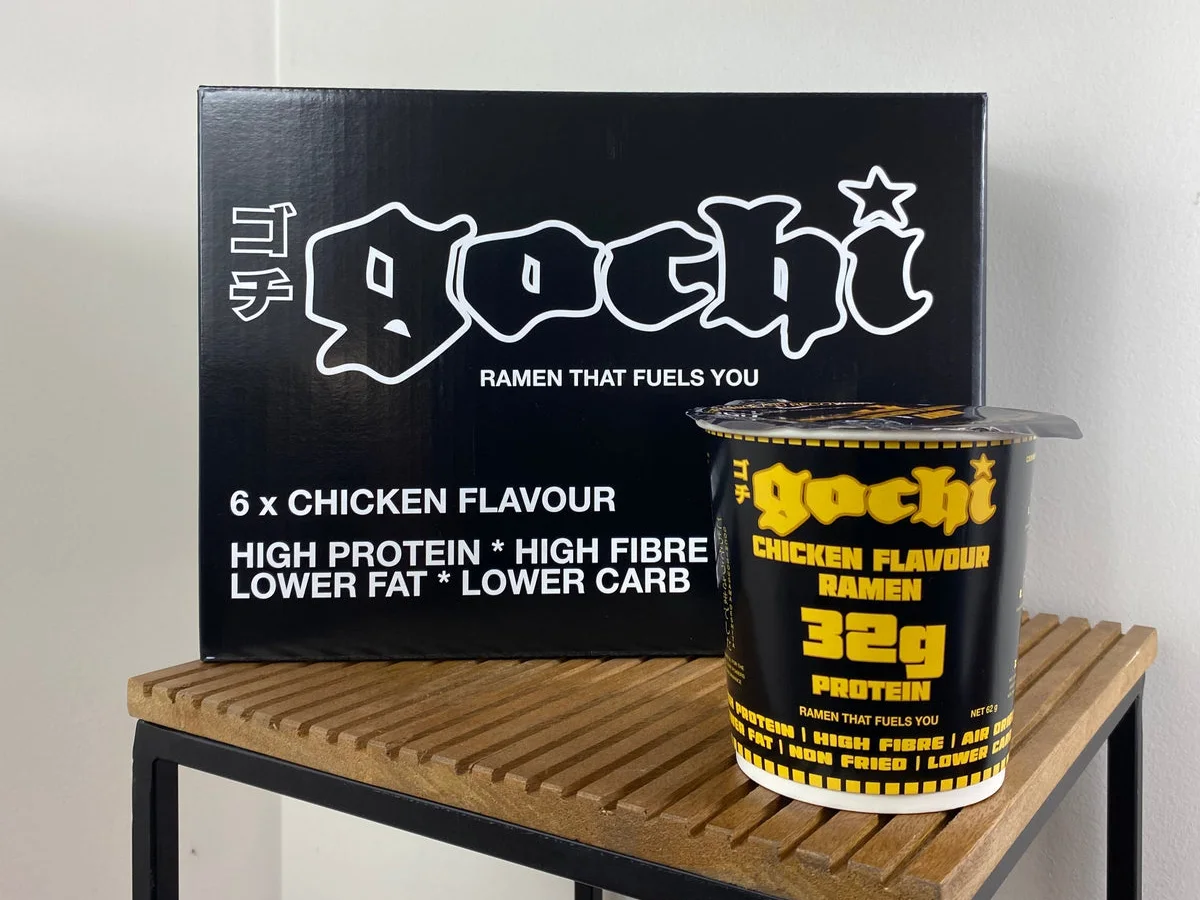
Gochi, a high-protein ramen, found 12 interested gyms and health stores in Melbourne in three weeks (case study). CBUN, a premium potato brand, opened 31 restaurant conversations in Bucharest in a month, from 538 locations contacted (case study).
Keep the shelf after you win it
A snack on the counter has to move, or it is gone at the next order. Check in after the first fortnight, ask how it is selling, and offer to swap flavours that are slow. Staff matter more than the shelf: a café team that has tasted your snack recommends it, so leave a few for the staff room. Flow tracks each store from reply to first order and reorder and reminds you who is due a check-in.
More on the wider category is on our page for food brands, and drink makers will find beverage brands more useful. A stockist is any store that carries you; to see which ones near you would fit, see who would stock you.
Questions brands ask
Which stores should a new snack brand start with?
Independent cafés, delis and health food shops in one city. They decide quickly, and their reorders become your proof for bigger stores.
Should I send samples with the first email?
No. Offer a sample in the email and send it only to stores that reply asking for one, with the address and format agreed in the same message.
Can I attach my sell sheet?
Not in the first emails. Attachments push cold email towards spam. Send it once a store replies.
How many follow-ups do you send?
A go-to-market campaign sends the first email and three follow-ups. They stop the moment a store replies.
Will it email my existing stockists?
Not if you upload them to your do-not-contact list, which stays private to your brand.