How to find stockists for your food or drink brand
If you sell food or drink in the UK, Australia or New Zealand, the shops that carry you are your stockists. This is how to find stockists that fit your product, build a list worth writing to, and turn the first few into proof that wins the next ones.
Stockists, retailers, accounts: the same thing
This guide is part of our retail outreach guide for food and beverage brands. Brands in the UK, Australia and New Zealand call the shops and venues that sell their product stockists, and the trade FMCG. In the US the same shops are retailers, accounts or doors, and the trade is CPG. If you are new to the word, our glossary entry on what a stockist is covers it.
Searching for stockists online mostly turns up shoppers looking for where to buy a brand. Brands looking for shops have to build the list themselves.
Which stockists to go after first
Start with independents. An independent café, deli, grocer, bottle shop or health food store chooses its own range, so the owner can say yes this week. Supermarket chains and big groups choose in head office, take months, and want to see that you already sell elsewhere. Win independents first and that proof builds itself.
Look for shops where your category already sells and the owner is curious about new lines. A shop that changes its range often and talks about local makers is a better first target than one that has stocked the same brands for years. Small chains of two or three stores are worth a look too: the owner usually still chooses the range.
Then narrow it to one city and one store type. Twenty stockists in one city are worth more than twenty spread across the country: you can deliver to them, visit them, run tastings, and the owners talk to each other.
- UK: independent delis, farm shops, refill and zero-waste shops, independent coffee shops, bottle shops and craft beer bars.
- Australia: independent grocers and IGAs that range local lines, cafés, health food stores and bottle shops.
- New Zealand: cafés, delis, specialty grocers, independent bottle shops and the local dairy for grab-and-go lines.
How to build a list of stockists
- Start with where your category already sellsLook at where brands like yours are stocked. Many list their stockists on their websites. Those shops already buy your category.
- Map the areaSearch maps for each store type in your city, and walk the main shopping streets. Note the shops whose range suits you.
- Check the fitA vegan shop will not take a product with dairy in it, and a craft beer bar may not want a cocktail mixer. Ten shops that fit are worth more than fifty that do not.
- Find the person who decidesThe owner, buyer or manager, with a checked email. Our guide to finding a store owner's email covers how.
- Take out the ones you already haveRemove current stockists and anyone you are already talking to, so nobody gets a cold email from a brand they already buy.
The faster way: see who would stock you
Building that list by hand takes weeks for one city. See who would stock you does the first part in a minute: type your website and we show you real stores near you that fit your product, and write an opening email for the best match. Nothing is sent, and you do not need a card.
In a campaign, LaunchPal finds the stores that fit in one city or region across up to five store types, removes poor fits, and finds the person who decides at each. Campaigns can search in the UK, Australia, New Zealand, the US, Canada, Germany, France, the Netherlands and Romania. In Australia we do not search liquor stores, for regulatory reasons.
The Free plan finds and emails 50 stores a month. Paid covers 500 a month.
Winning the first ten stockists
Write to each one about their shop and your product: something true about the store, what you make, why it fits, and one easy ask, usually a reply for a sample. Our cold email templates for retailers show that structure for each store type. Follow up, because most replies come on the second or third email.
Send samples only to stores that ask. Ask the format and the address in the same reply, and agree a day to check in. Keep the first order small so it is an easy yes.
Timing your approach
Stores plan ranges ahead of their busy seasons. A café plans its summer drinks in spring, and a bottle shop thinks about Christmas long before December. Write before the busy season, not in the middle of it, when owners are short on time and stock decisions are already made.
The first weeks of the year are slow for many brands too: stores are counting stock and owners are on holiday. That makes it a good time to build your list and write your emails, so they go out as stores come back.
Use your stockists to win more
Once a few shops stock you, use them. A list of local stockists on your website helps shoppers find you, and the shops like the traffic. A line about the deli down the road that reorders every fortnight does more in a pitch than any description of the product.
Keep track of who is due a reorder, because a stockist that quietly stops ordering is easy to miss. That is what Flow is for. When you have enough stockists to make deliveries the bottleneck, our guide to CPG distribution covers what comes next.
Questions brands ask
Which stores and places can you find?
Any physical business that could stock or serve your product: cafés, restaurants, bars, bottle shops, hotels, grocers, delis, gyms and more, in one city or region per campaign. Start with one city and one store type.
Where do the stores come from?
Each campaign searches for real, mapped places that match the store types you choose, then removes poor fits. You see them on a map and can remove any before launch.
Can you get me into Woolworths, Tesco or a supermarket chain?
Not directly. Chains take months and want proof that you sell. Independents are where that proof comes from, so start there and take your stockist list to a chain buyer later.
How do I stop it emailing my current stockists?
Upload a do-not-contact list of email addresses or whole domains before you launch. It stays private to your brand, and every campaign checks it.
Will I get more stockists than I can supply?
You choose how many stores a campaign targets. Start with one city, plan your sample stock before you launch, and grow from there.
Read next
- Free toolsSee who would stock youType your website and see real stores near you that fit your product, before you sign up.
- GlossaryStockistA shop or venue that sells your product, and why a stockist list helps you win the next one.
- Retail outreachFinding a store owner's emailWho to email at each store, how to find their address, and why info@ rarely gets a reply.
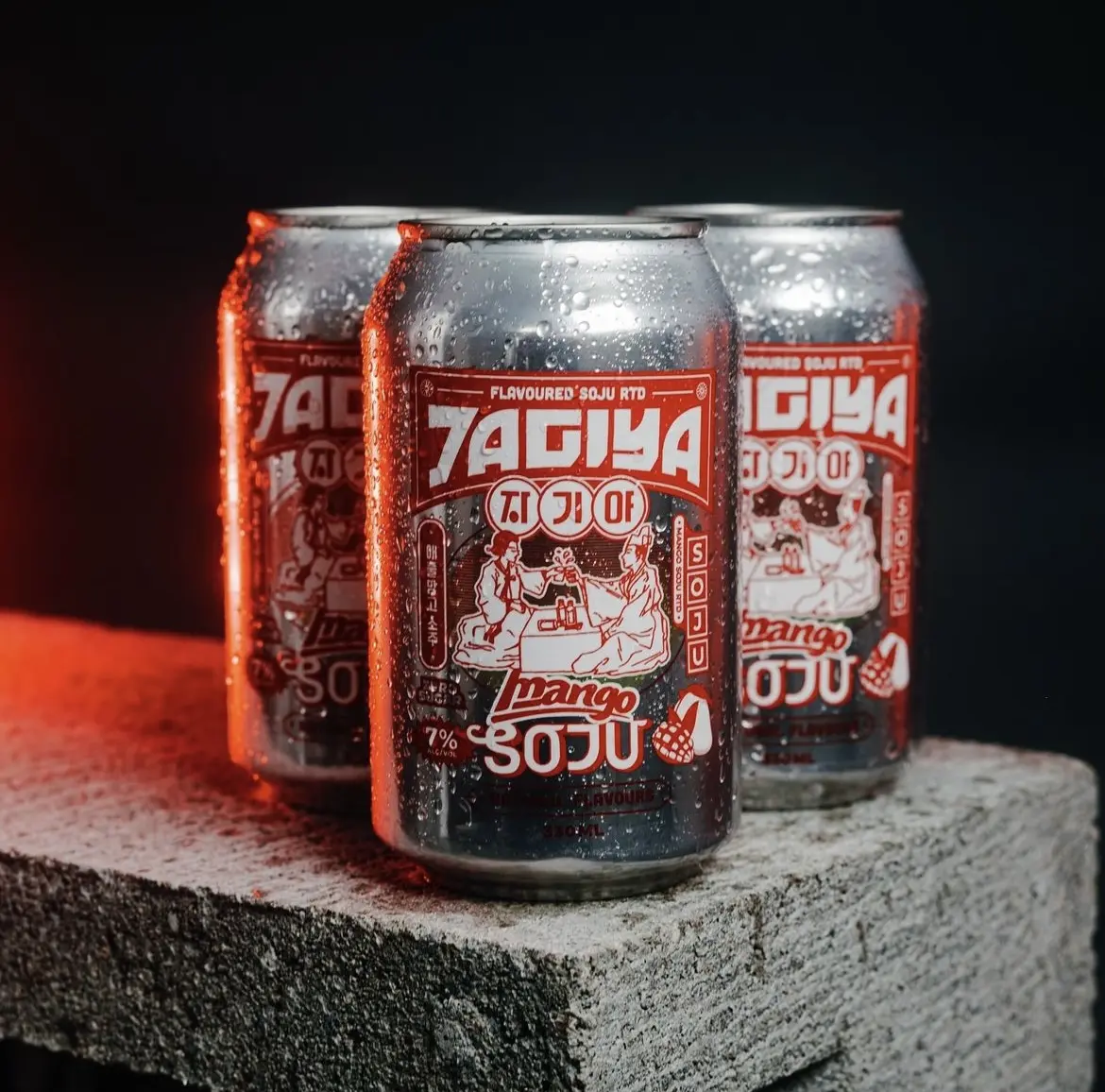
- Case studyJagiya SojuMaking soju the next big thing in NZ nightlife
See who would stock you
Type your website and see real stores near you that fit your product. Nothing is sent.
Free, no sign-up, about 15 seconds.